
Key Takeaways
-
The Fed’s 25 bps rate cut failed to spark a rally as Bitcoin slipped below $109,000.
-
A U.S.–China trade deal brought brief optimism but couldn’t sustain momentum.
-
Traders remain cautious as geopolitics overshadow macro tailwinds.
Bitcoin’s late-October performance was supposed to mark a turnaround.
The Federal Reserve delivered another quarter-point rate cut—its second this year—signaling relief for risk assets.
Instead, the crypto market slipped further, defying expectations.
On Oct. 29, Bitcoin (BTC) fell below $109,000 while Ethereum (ETH) dropped under $4,000, sealing what’s now the worst October in more than seven years.
The total crypto market shed about $100 billion, wiping away the optimism that had briefly lifted sentiment earlier in the day.
Despite a technically bullish backdrop—easing monetary policy, falling Treasury yields, and recovering equities— onlookers appear to be waiting on something bigger: the long-anticipated U.S.–China trade deal.
The Fed’s decision to lower its benchmark rate to 3.75%–4%, the lowest level in three years, was intended to stimulate growth and keep unemployment from climbing.
Yet instead of fueling a risk-on rally, the market recoiled.
Bitcoin dropped more than 3% after the announcement, as traders digested President Donald Trump’s renewed nuclear testing threats issued just hours before his scheduled summit with Chinese President Xi Jinping.
Under normal market conditions, a rate cut would have provided a boost to crypto prices.
However, it appears there is some reluctance in jumping back in until there’s clarity on U.S.–China relations—a reminder that global politics, not just Fed policy, is setting the tone for markets.
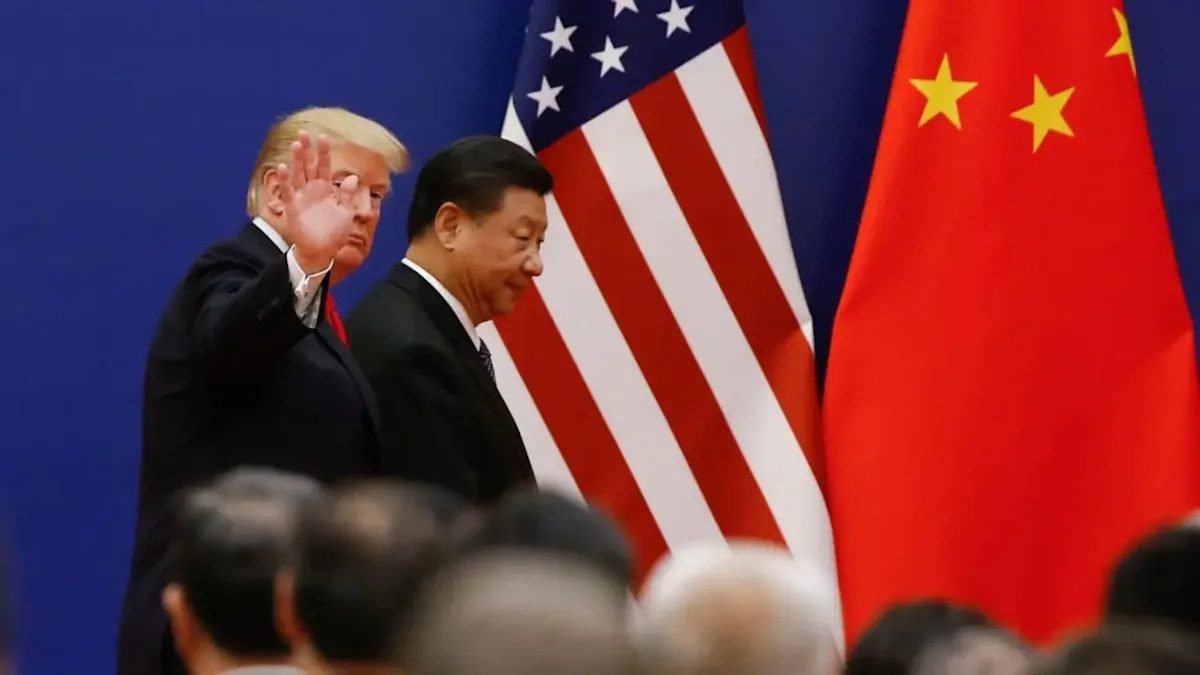
The Trump–Xi meeting later in the day did offer a glimmer of hope.
Reports confirmed that both sides reached a one-year trade agreement centered on rare earths and critical minerals, alongside a partial rollback of tariffs.
According to White House statements, the U.S. agreed to:
-
Reduce fentanyl-related tariffs to 10%
-
Lower overall tariffs on Chinese goods from 57% to 47%
-
Open discussions with China on easing semiconductor restrictions
In exchange, Beijing pledged to increase rare earth exports and revisit technology transfer rules.
The announcement briefly lifted crypto markets—Bitcoin jumped $2,000, bouncing from $108,000 to over $110,000 at press time.
Ethereum and other large caps followed suit, but the recovery soon faded as traders questioned the deal’s durability and the absence of concrete long-term commitments.