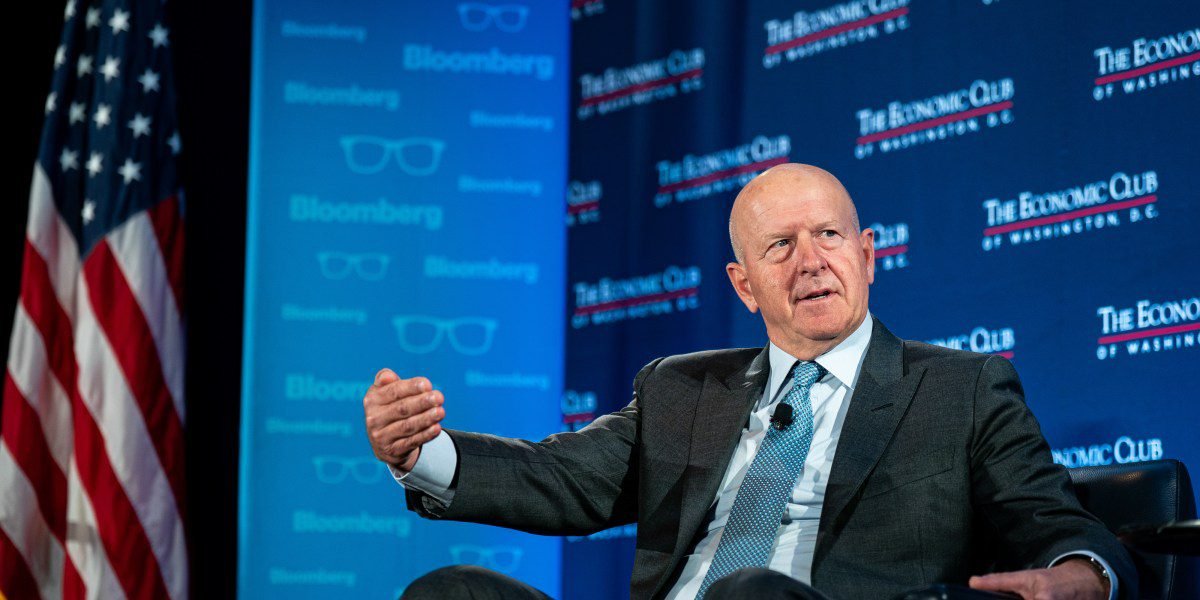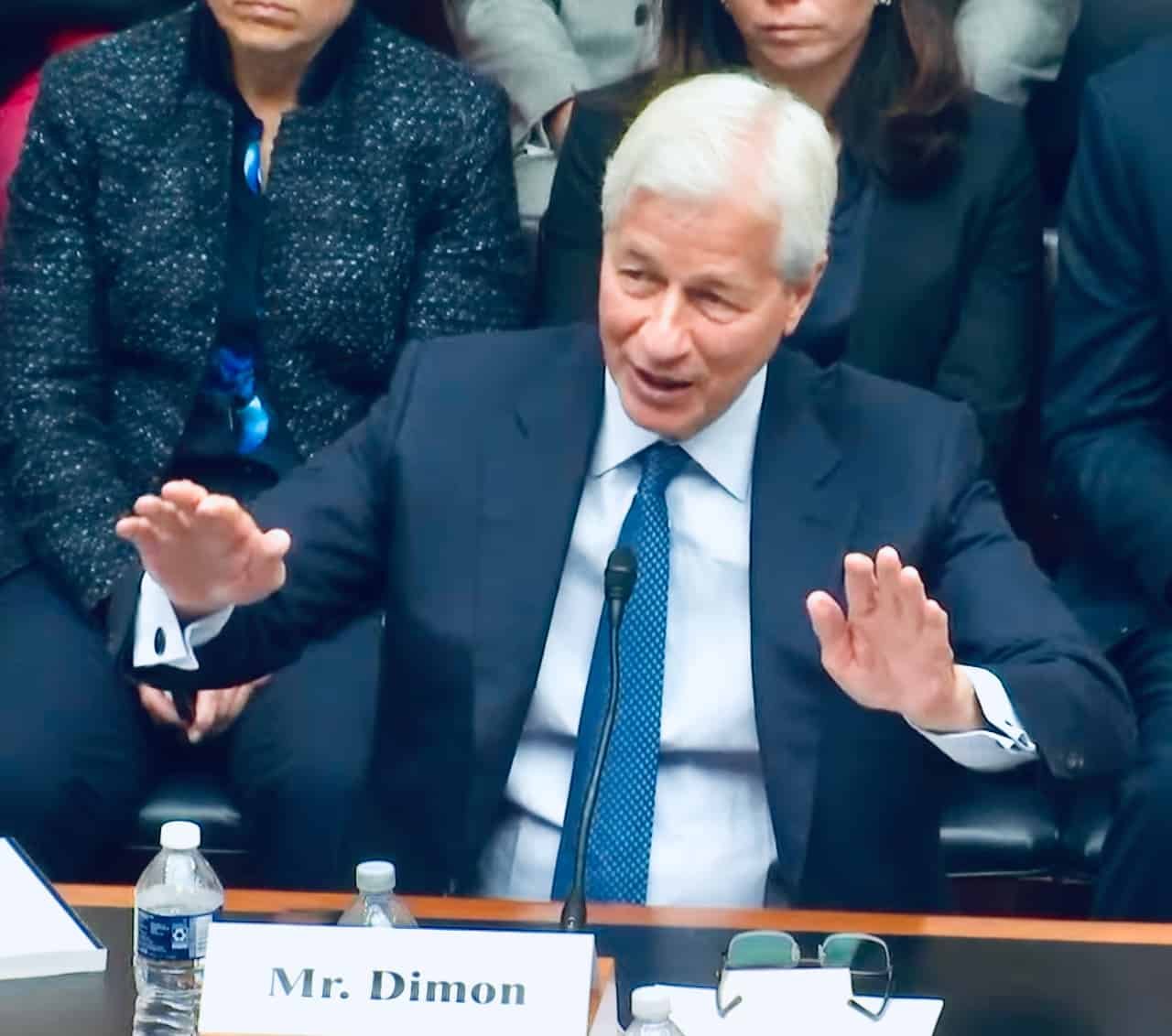
JPMorgan (NYSE:JPM) CEO Jamie Dimon finally admits he was actually wrong about Bitcoin and crypto, acknowledging that it is a real innovation and these digital assets will be used by all of us.
Dimon’s comments came as JPMorgan announced plans to accept Bitcoin and Ethereum as collateral for loans. While these statements indicate some level of approval for crypto-assets, traditional banking institutions are in no way ready to completely accept Bitcoin and digital assets. Gradually, however, financial institutions are beginning to realize the transformative potential of these new asset types.
As we enter the final months of 2025, we now have major financial institutions like Standard Chartered actively commenting on the anticipated Bitcoin price movements. JPMorgan has also been eager to offer its own analysis of the nascent sector. Meanwhile, BlackRock, the world’s largest asset manager, has been quite vocal about its support of Bitcoin, Ethereum, and the larger digital assets sector.
Under the Trump Administration, crypto and web3 have finally emerged as one of the most promising areas of tech and finance, boosted by major breakthroughs and advancements in artificial intelligence (AI). Despite JPMorgan’s positive outlook, not all industry analysts and participants are thoroughly convinced. Unsurprisingly, Christine Lagarde, the President of the European Central Bank, and legendary billionaire investor Warren Buffett continue to criticize Bitcoin’s role in modern finance. Lagarde still maintains that BTC has no intrinsic value and is just a speculative asset or financial instrument.
However, most of these assertions are not objective if we really think about them. Even fiat currency, it can be argued, has no intrinsic value because its worth is whatever people agree for it to be (something quite subjective). In the coming years, we can expect more people to use Bitcoin if current patterns persist. We are already seeing the launch of new kinds of Bitcoin ETFs, credit products, BTC-backed loan options, and pretty much any product offered by the traditional financial services sector.
At this point, the question may not be whether Bitcoin will succeed or survive, because it is already a trillion-dollar asset class. The more pressing question is whether governments across the world, including those in China and India, will provide a supportive environment for the Bitcoin and crypto ecosystem to thrive. By now, it should be clear that governments can no longer ignore this nascent sector and would be smart if they actually enabled innovations in this ecosystem with proper regulations instead of continuing to maintain their hostile stance towards cryptocurrencies.