
Just now
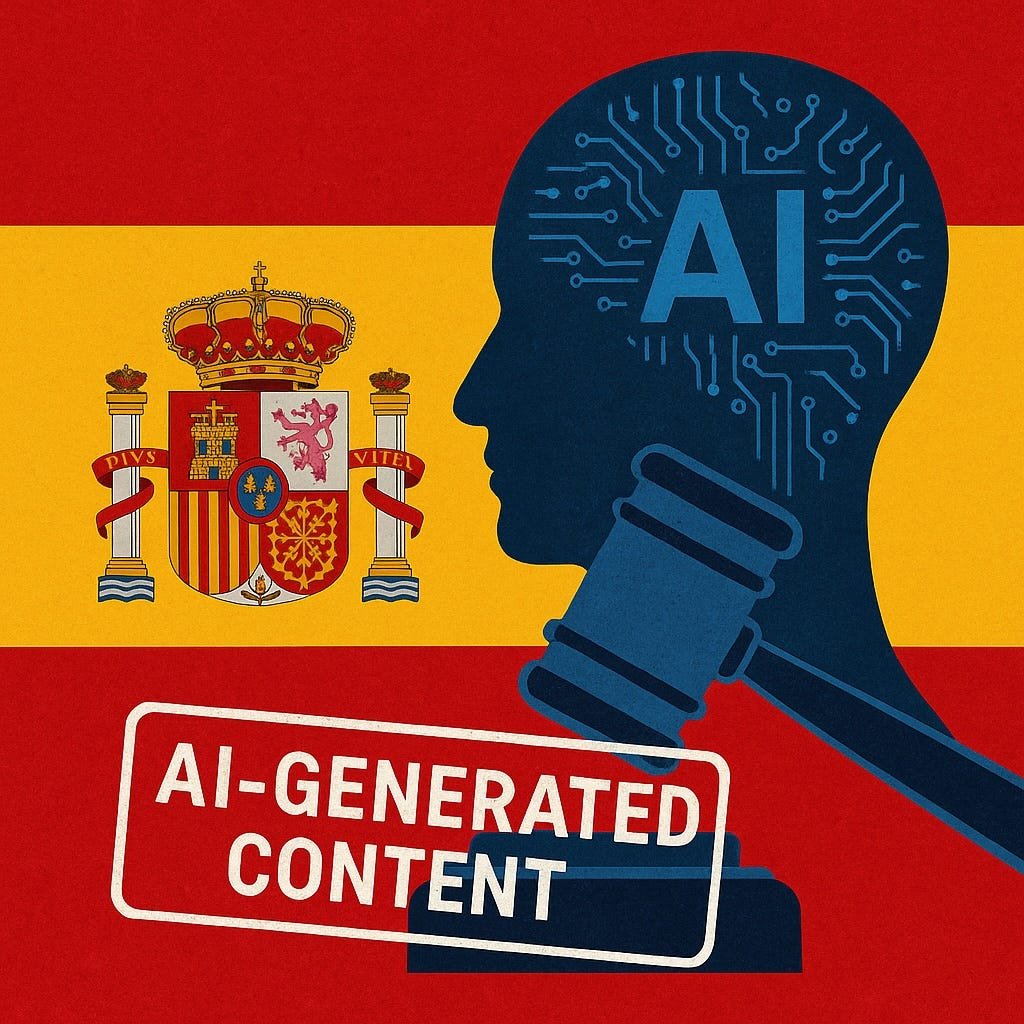
In a bid to lead the EU on regulating AI, Spain wants to introduce legislation that would impose fines of up to €35 million euros or 7% of the company’s global turnover on companies that do not properly label AI-generated label content.
The law is being touted as a way to ensure that the public can distinguish between human-made and algorithmic content. The objective is laudable: to counter growing disinformation, election campaigns tainted by hoaxes and the proliferation of increasingly sophisticated deepfakes through mandatory labelling.
However, the key question is to what extent such a measure can be effective in practice and the consequences for Spain’s digital economy. Experience shows that when a government tries to stay ahead of technological developments with strict rules, it risks creating a framework that quickly becomes obsolete or involve costly compliance, especially for SMEs.
An electoral deepfake distributed from a server in another country, for example, will hardly be affected by a sanction imposed by the newly created Spanish Agency for the Supervision of Artificial Intelligence (AESIA). The reality is that technology does not understand borders, while fines do.